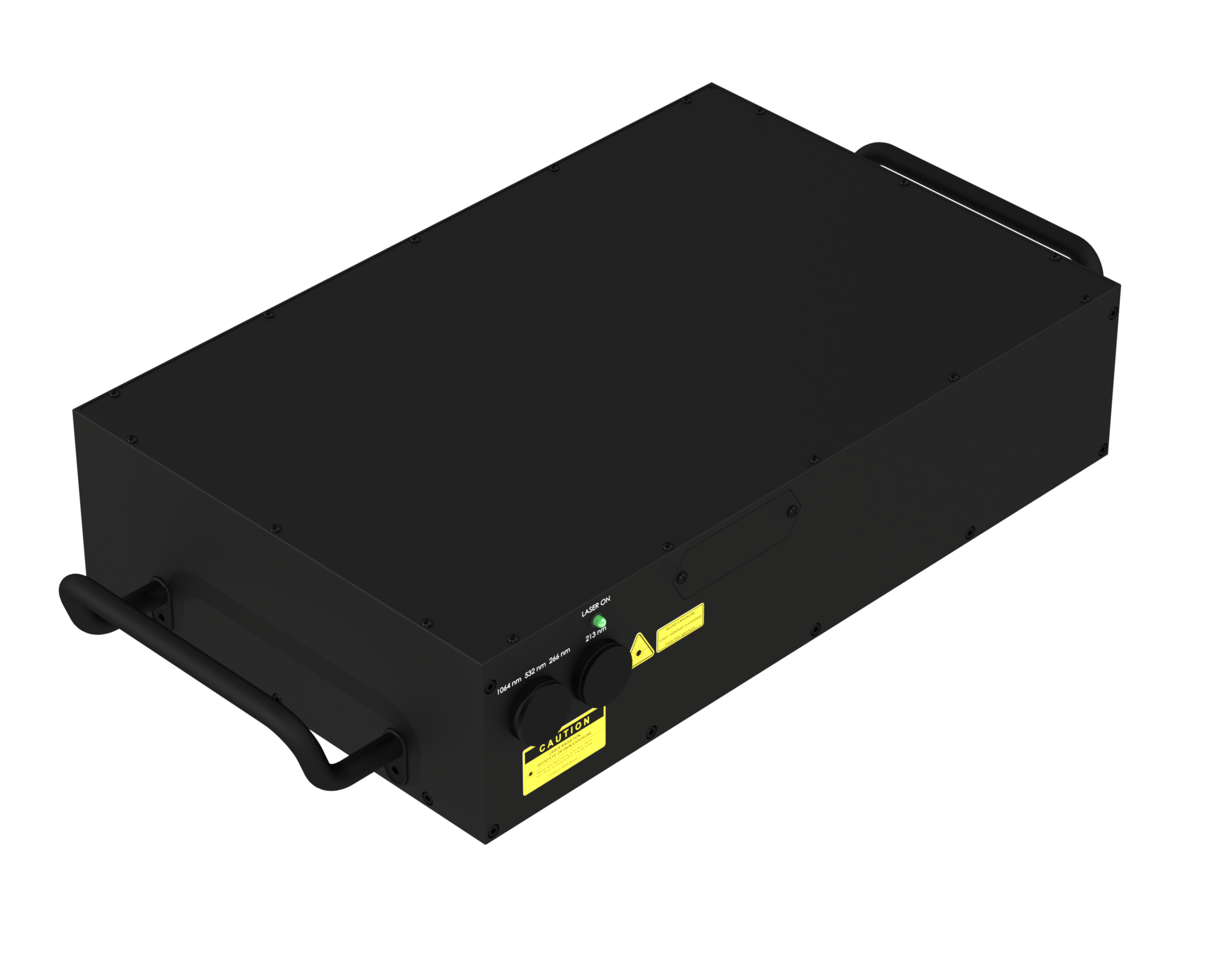
| Output wavelength | Pulse energy, μJ | Frequency, Hz | Peak power | Pulse width | Pumping | Cooling |
|---|---|---|---|---|---|---|
| 1064 nm | 500 μJ | 1000 Hz | 62 MW | 8 ps | Diode | Air |
| 532 nm | 250 μJ | 1000 Hz | 35 MW | 7 ps | Diode | Air |
| 355 nm | 130 μJ | 1000 Hz | 21 MW | 6 ps | Diode | Air |
| 266 nm | 80 μJ | 1000 Hz | 16 MW | 5 ps | Diode | Air |
| 213 nm | 50 μJ | 1000 Hz | 10 MW | 5 ps | Diode | Air |
PASSAT LASER SYSTEMS
Products
Compact diode-pumped solid-state laser systems from picosecond sources to rugged sub-nanosecond platforms.
PICOSECOND DPSS LASERS
Compiler Family
The Compiler family provides short picosecond pulses, high peak power and wavelength configurations from infrared to deep ultraviolet.
Select a product to open the dedicated product page with complete technical details.
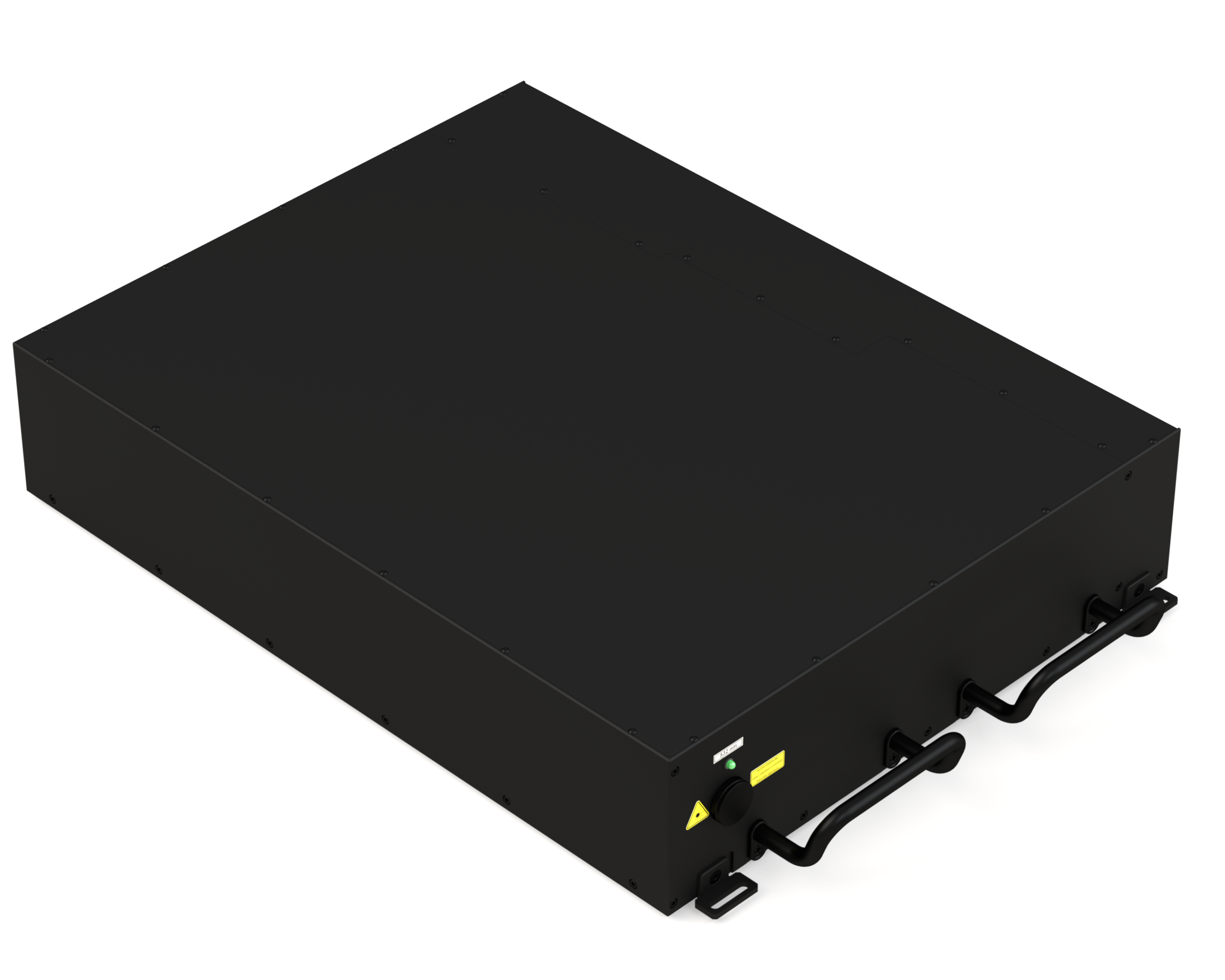
| Output wavelength | Pulse energy, μJ | Frequency, Hz | Peak power | Pulse width | Pumping | Cooling |
|---|---|---|---|---|---|---|
| 1064 nm | 1500 μJ | 1000 Hz | 187 MW | 8 ps | Diode | Air or liquid |
| 532 nm | 800 μJ | 1000 Hz | 114 MW | 7 ps | Diode | Air or liquid |
| 355 nm | 400 μJ | 1000 Hz | 66 MW | 6 ps | Diode | Air or liquid |
| 266 nm | 200 μJ | 1000 Hz | 40 MW | 5 ps | Diode | Air or liquid |
| 213 nm | 150 μJ | 1000 Hz | 30 MW | 5 ps | Diode | Air or liquid |
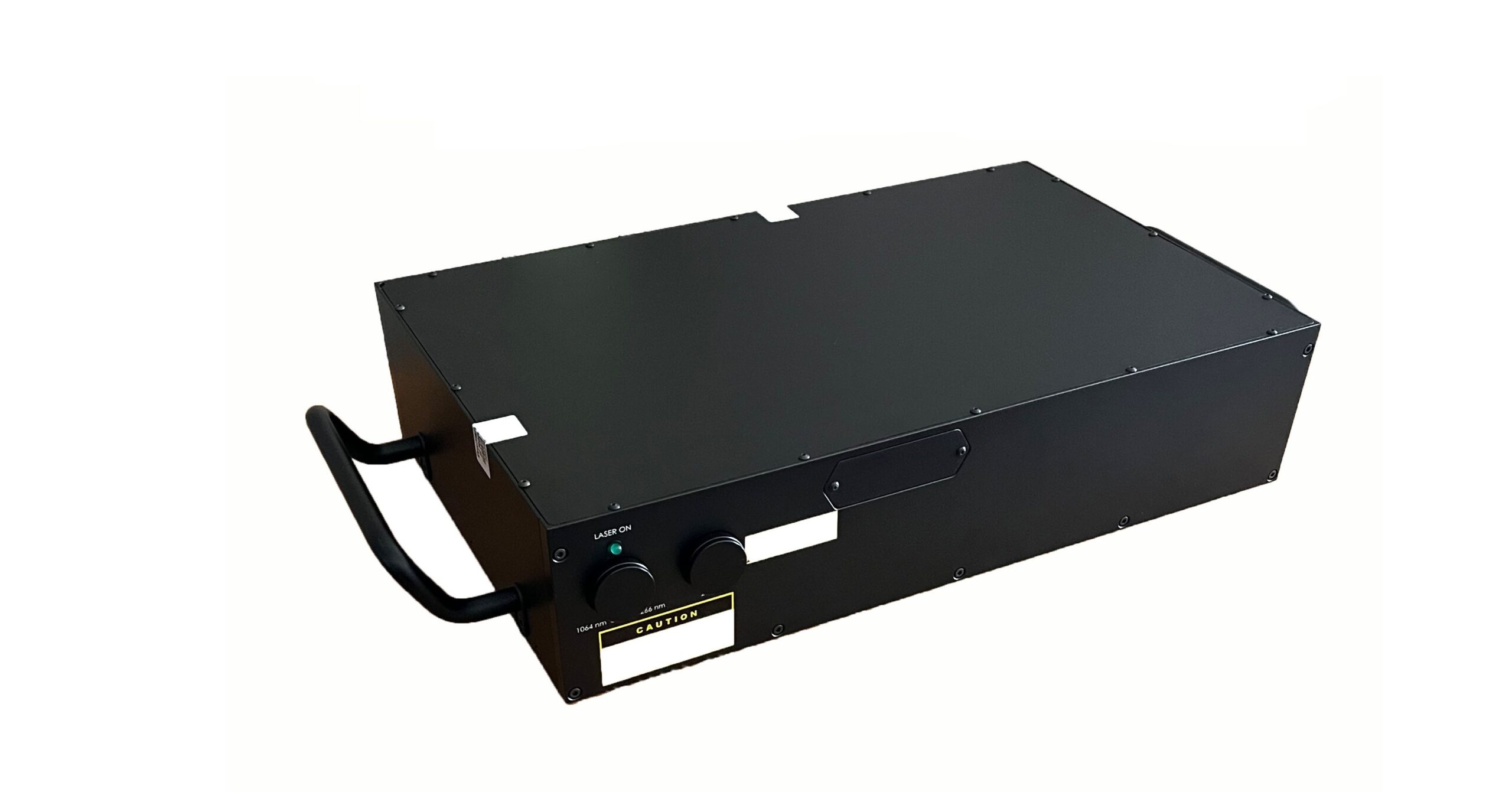
| Output wavelength | Pulse energy, μJ | Frequency, Hz | Peak power | Pulse width | Pumping | Cooling |
|---|---|---|---|---|---|---|
| 1064 nm | 200 μJ | 12000 Hz | 25 MW | 8 ps | Diode | Air |
| 532 nm | 100 μJ | 12000 Hz | 14 MW | 7 ps | Diode | Air |
| 355 nm | 35 μJ | 12000 Hz | 6 MW | 6 ps | Diode | Air |
| 266 nm | 20 μJ | 12000 Hz | 4 MW | 5 ps | Diode | Air |
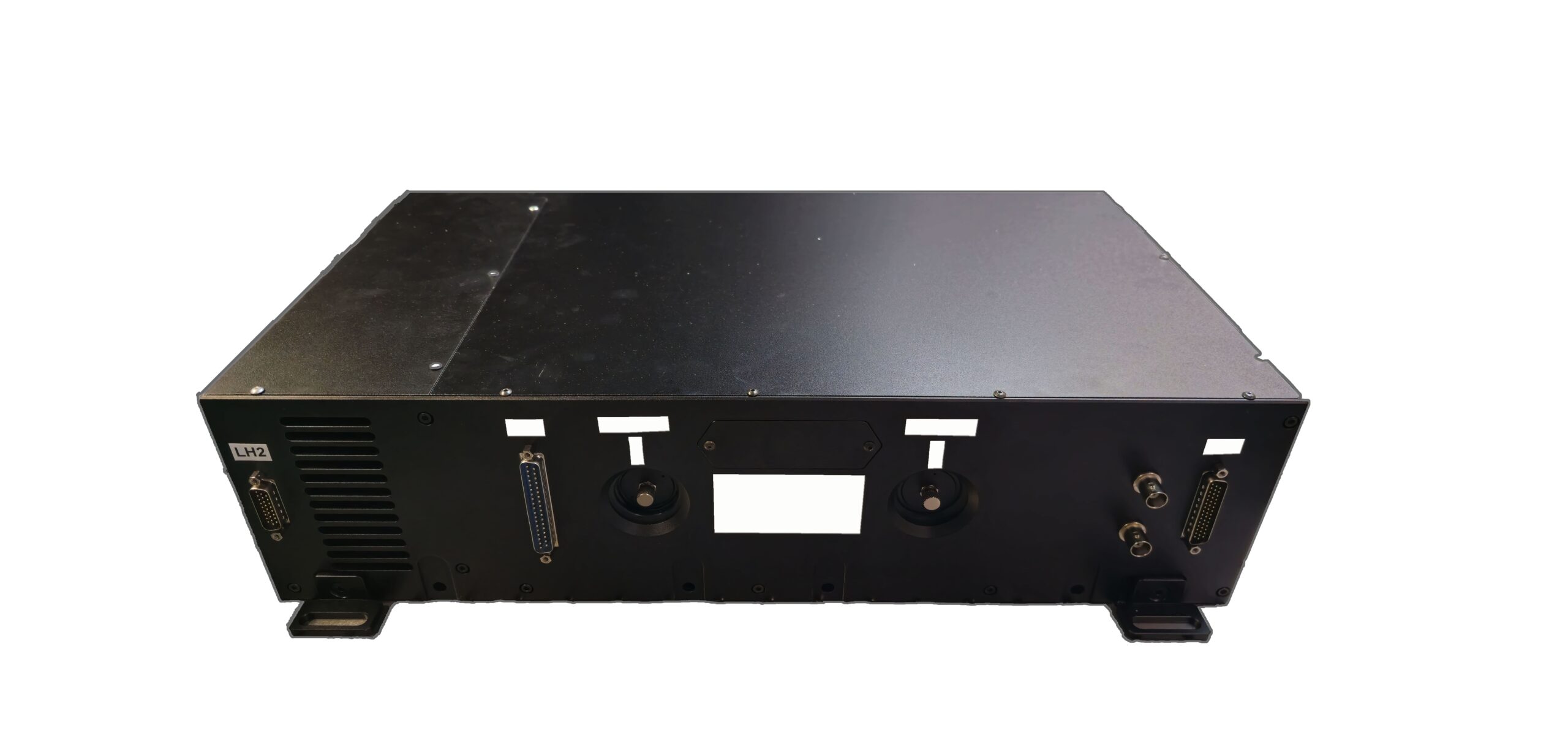
| Output wavelength | Pulse energy, mJ | Frequency, Hz | Peak power | Pulse width | Pumping | Cooling |
|---|---|---|---|---|---|---|
| 1064 nm | 12 mJ | 200 Hz | 80 MW | 150 ps | Diode | Air or liquid |
| 532 nm | 6 mJ | 200 Hz | 50 MW | 120 ps | Diode | Air or liquid |
| 355 nm | 3 mJ | 200 Hz | 30 MW | 100 ps | Diode | Air or liquid |
| 266 nm | 2 mJ | 200 Hz | 22.2 MW | 90 ps | Diode | Air or liquid |
| 213 nm | 1 mJ | 200 Hz | 12.5 MW | 80 ps | Diode | Air or liquid |
PORTABLE SUB-NANOSECOND DPSS LASERS
Sub-Nano Family
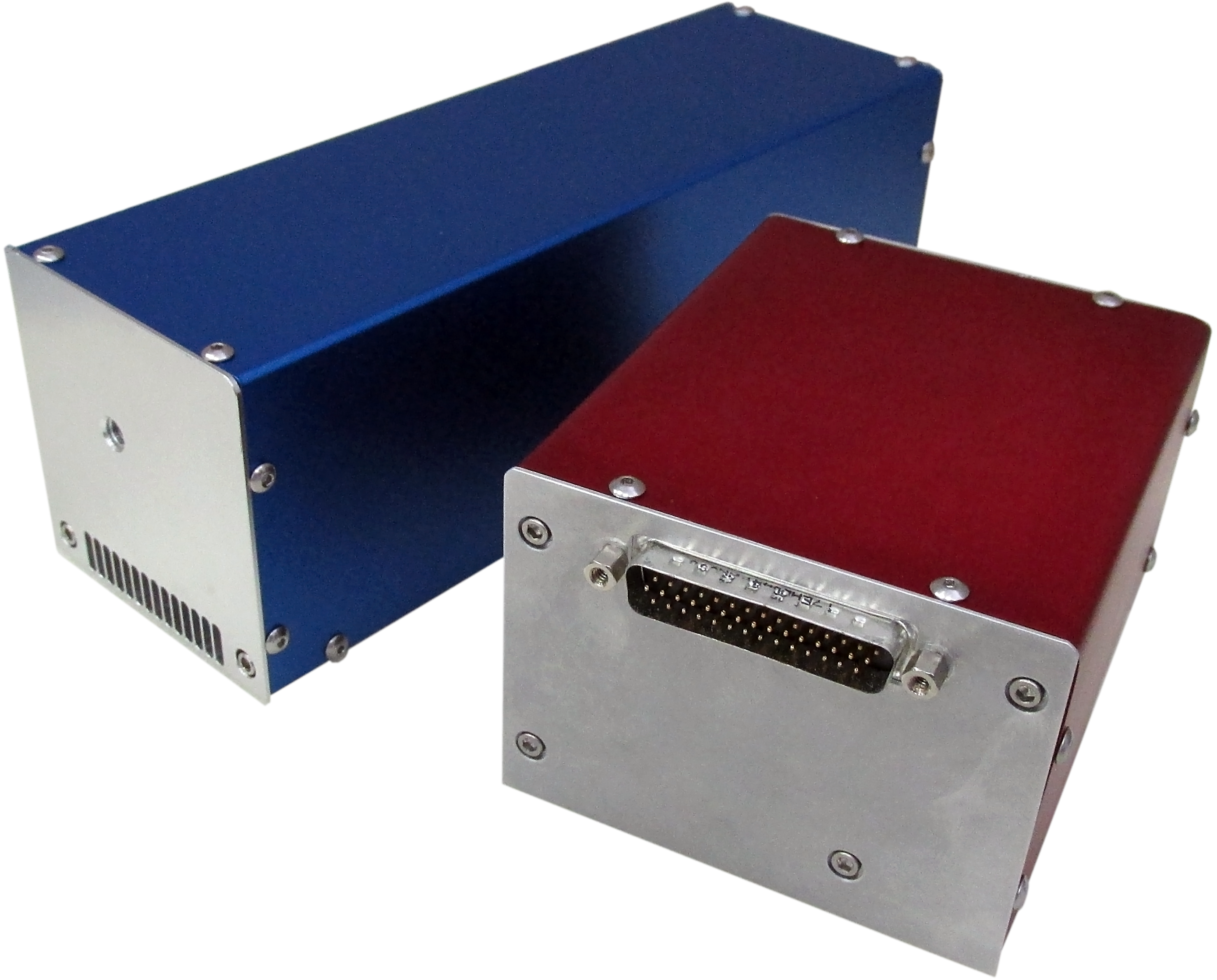
The Sub-Nano family uses approximately 0.3–0.6 ns pulses in rugged, compact and lightweight laser platforms.
These systems are designed for portable instrumentation, field measurements, spectroscopy, remote sensing and OEM integration.
| Output wavelength | Pulse energy, μJ | Frequency, Hz | Pulse width | Pumping | Cooling |
|---|---|---|---|---|---|
| 1064 nm | 950 μJ | 1000 Hz | ≤ 0.6 ns | Diode | Air |
| 532 nm | 500 μJ | 1000 Hz | ≤ 0.55 ns | Diode | Air |
| 355 nm | 170 μJ | 1000 Hz | ≤ 0.5 ns | Diode | Air |
| 266 nm | 120 μJ | 1000 Hz | ≤ 0.45 ns | Diode | Air |
| Output wavelength | Pulse energy, μJ | Frequency, Hz | Pulse width | Pumping | Cooling |
|---|---|---|---|---|---|
| 1064 nm | 100 μJ | 1000 Hz | 0.45 ns | Diode | Air |
| 532 nm | 50 μJ | 1000 Hz | 0.4 ns | Diode | Air |
| 355 nm | 15 μJ | 1000 Hz | 0.3 ns | Diode | Air |
BEYOND LASER SALES
Rental and micromachining services
Passat also provides laser rental options and precision micromachining services for customers who need temporary access to a laser or want us to perform process development and sample machining.
SELECT THE RIGHT CONFIGURATION
Need help choosing a laser?
Tell us the material, wavelength, pulse-energy range and application requirements.
CONTACT PASSAT